Composite Fencing ROI: Does It Pay Back at Resale?
How composite affects appraisal, list price, and time on market — and the homeowner profile where the upgrade pays back fastest.
· 5 min read · By Compoxen Editorial
Composite fencing is rarely a 100%-recouped upgrade in the strict appraisal sense — almost no fencing is. But it is a meaningful list-price and time-on-market factor for the right buyer profile.
What appraisers do with fencing
Most residential appraisals treat fencing as part of the overall site improvement category, not a line-item add. A new wood fence and a new composite fence often appraise at similar values. The market — buyers — distinguishes between them.
Where composite pays back best
- Premium suburban neighborhoods where buyers cross-shop on yard quality and outdoor living.
- Pool homes where the fence is part of the pool experience, not just a boundary.
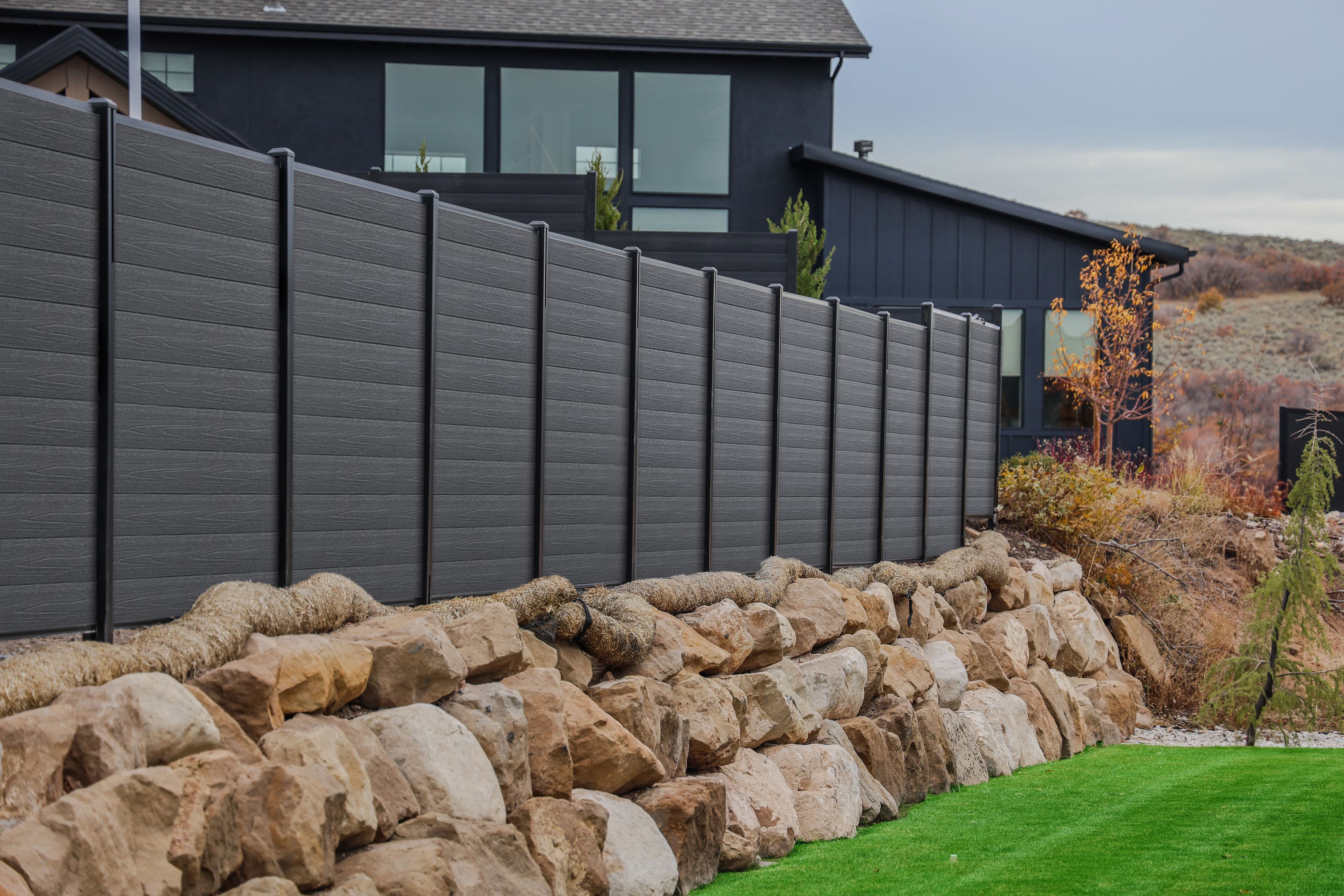
- Modern architecture where deep-color composite (Shadow Forge, Cocoa Ridge) reads as a finished design choice rather than a default.
- High-fire zones where Class A material is a buyer-noticed feature, not just a code item.
Where it pays back worse
- Short hold periods — under three years, the upfront premium does not have time to be repriced into the listing.
- Lower-priced segments where buyers are not paying attention to fence material.
- Markets dominated by wood as the default, where buyers do not know the difference.
The honest framing
Treat composite as a 15–25 year cost-of-ownership decision that also makes the home easier to sell when the time comes. The pure resale ROI math is secondary to the lifecycle math.
Ready for a real number?
We'll reply with pricing, lead time, and availability for your Utah project.
Get a Quote